
New Year Sale Discount Flat 70% Offer - Ends in 0d 00h 00m 00s - Coupon code: 70diswrap

Salesforce Mule-101 Dumps

Page: 1 / 6
Total 55 questions

Salesforce Certified MuleSoft Integration Foundations Questions and Answers

Question 1

An IT integration delivery team begins a project by gathering all of the requirements, and proceeds to execute the remaining project activities as sequential, non-repeating phases. Which IT project delivery methodology is this team following?

Options:

A.

Kanban

B.

Scrum

C.

Waterfall

D.

Agile

Question 2

A system administrator needs to determine when permissions were last changed for an Anypoint Platform user.

Options:

A.

Audit Logging

B.

Mule Stack Traces

C.

Anypoint Monitoring

D.

Anypoint Studio

Question 3

According to MuleSoft, which deployment characteristic applies to a microservices application architecture?

Options:

A.

All services of an application can be deployed together as single Java WAR file

B.

Core business capabilities are encapsulated in a single, deployable application

C.

Services exist as independent deployment artifacts and can be scaled independently of other services

D.

A deployment to enhance one capability requires a redeployment of all capabilities

Question 4

A Kubernetes controller automatically adds another pod replica to the resource pool in response to increased application load.

Options:

A.

Diagonal

B.

Down

C.

Horizontal

D.

Vertical

Question 5

What is an advantage of using OAuth 2.0 client credentials and access tokens over only API keys for API authentication?

Options:

A.

If the access token is compromised, the client credentials do not have to be reissued

B.

If the access token is compromised, it can be exchanged for an API key

C.

If the client ID is compromised, it can be exchanged for an API key

D.

If the client secret is compromised, the client credentials do not have to be reissued

Question 6

What is a core pillar of the MuleSoft Catalyst delivery approach?

Options:

A.

Scope reduction

B.

Technology centralization

C.

Business outcomes

D.

Process thinking

Question 7

In which order are the API Client, API Implementation, and API Interface components called in a typical REST request?

Options:

A.

API Client > API Interface > API Implementation

B.

API Client > API Implementation > API Interface

C.

API Implementation > API Interface > API Client

D.

API Interface > API Client > API Implementation

Question 8

An organization's IT team must secure all of the internal APIs within an integration solution by using an API proxy to apply required authentication and authorization policies.

Options:

A.

Integration Platform-as-a-Service (IPaaS)

B.

API Management (APIM)

C.

Electronic Data Interchange (EDI)

D.

Robotic Process Automation (RPA)

Question 9

According to the National Institute of Standards and Technology (NIST), which cloud computing deployment model describes a composition of two or more distinct clouds that support data and application portability?

Options:

A.

Community cloud

B.

Public cloud

C.

Hybrid cloud

D.

Private cloud

Question 10

An integration team uses Anypoint Platform and follows MuleSoft's recommended approach to full lifecycle API development. Which step should the team's API designer take before the API developers implement the API specification?

Options:

A.

Publish the API specification to Exchange and solicit feedback from the API's consumers

B.

Use the scaffolding capability of Anypoint Studio to create an API portal based on the API specification

C.

Use API Manager to version the API specification

D.

Generate test cases using MUnit so the API developers can observe the results of running the API

Question 11

Which Exchange asset type represents a complete API specification in RAML or OAS format?

Options:

A.

SOAP APIs

B.

API Spec Fragments

C.

REST APIs

D.

Connectors

Question 12

Which role is primarily responsible for building API implementations as part of a typical MuleSoft integration project?

Options:

A.

Operations

B.

Integration Architect

C.

API Designer

D.

API Developer

Question 13

A key CI/CD capability of any enterprise solution is a testing framework to write and run repeatable tests.

Options:

A.

Anypoint CLI

B.

Exchange Mocking Service

C.

Mule Maven Plugin

D.

MUnit

Question 14

According to MuleSoft, a synchronous invocation of a RESTful API using HTTP to get an individual customer record from a single system is an example of which message exchange pattern?6(Note: The options are partially truncated in the PDF, but based on the provided text "A. Multicast"7and standard MuleSoft certification context, the correct pattern is Request-Response).

Options:

A.

Multicast

B.

Request-Response

C.

Fire-and-Forget

D.

Acknowledge Only

Question 15

Which productivity advantage does Anypoint Platform have to both implement and manage an API?

Options:

A.

Automatic API semantic versioning

B.

Automatic API proxy generation

C.

Automatic API governance

D.

Automatic API specification generation

Question 16

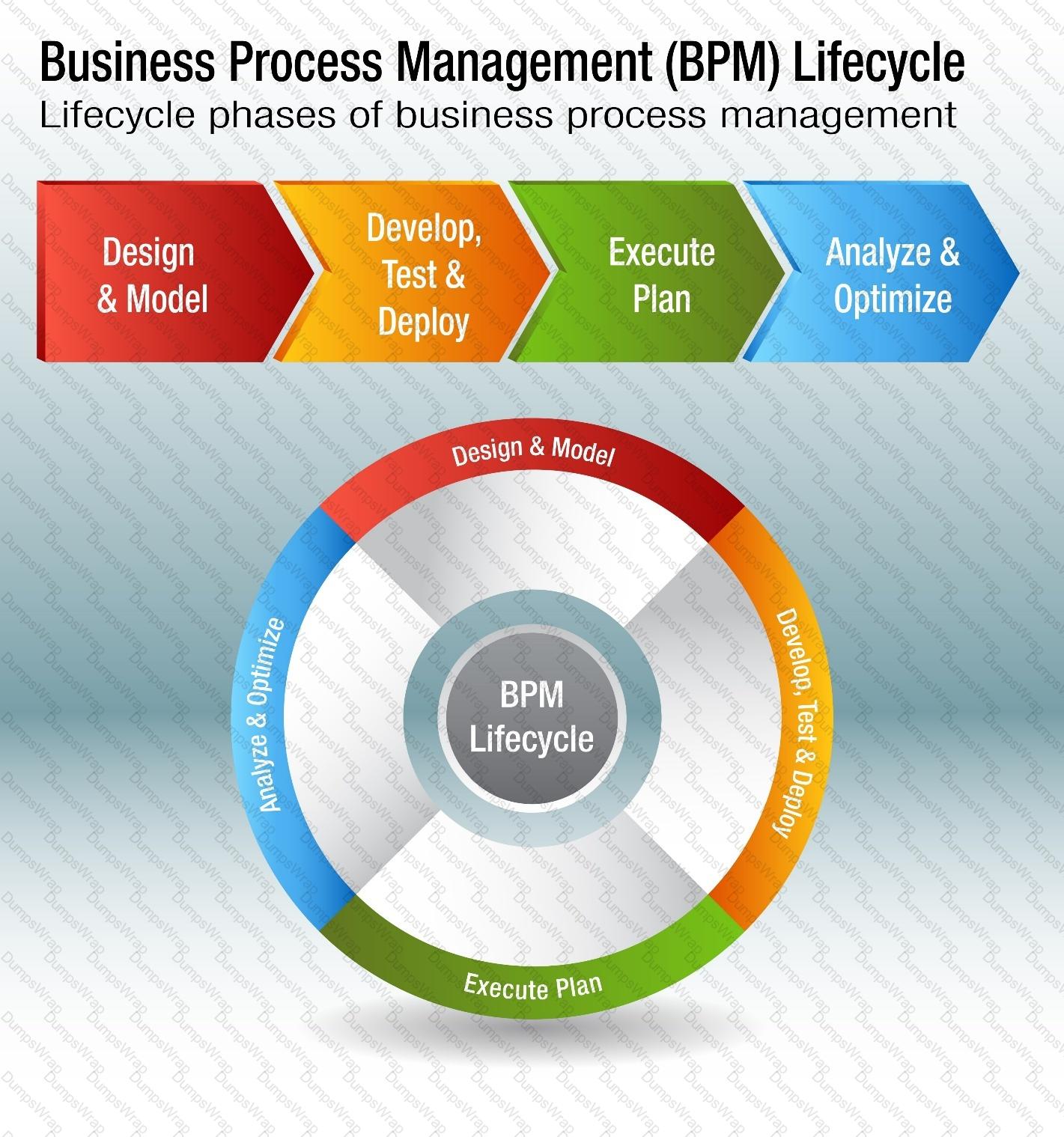
An integration team follows MuleSoft's recommended approach to full lifecycle API development.9
Options:

A.

Use the API specification to build the MuleSoft application

B.

Design the API specification

C.

Validate the API specification

D.

Use the API specification to monitor the MuleSoft application

Page: 1 / 6
Total 55 questions
